Multi-Agent AI Systems
Multi-Agent AI Systems & Workflow Orchestration Services
Coordinate Specialised Agents. Automate Complex Workflows.
Connect Every Department.
We build coordinated multi-agent AI systems that connect specialised agents, automate complex workflows, and improve cross-department orchestration across your business.
No commitment. 30-minute strategy call. We respond within 24 hours.
Trusted by businesses across healthcare, logistics, finance, law, and more
The Definition
What Is a Multi-Agent AI System?
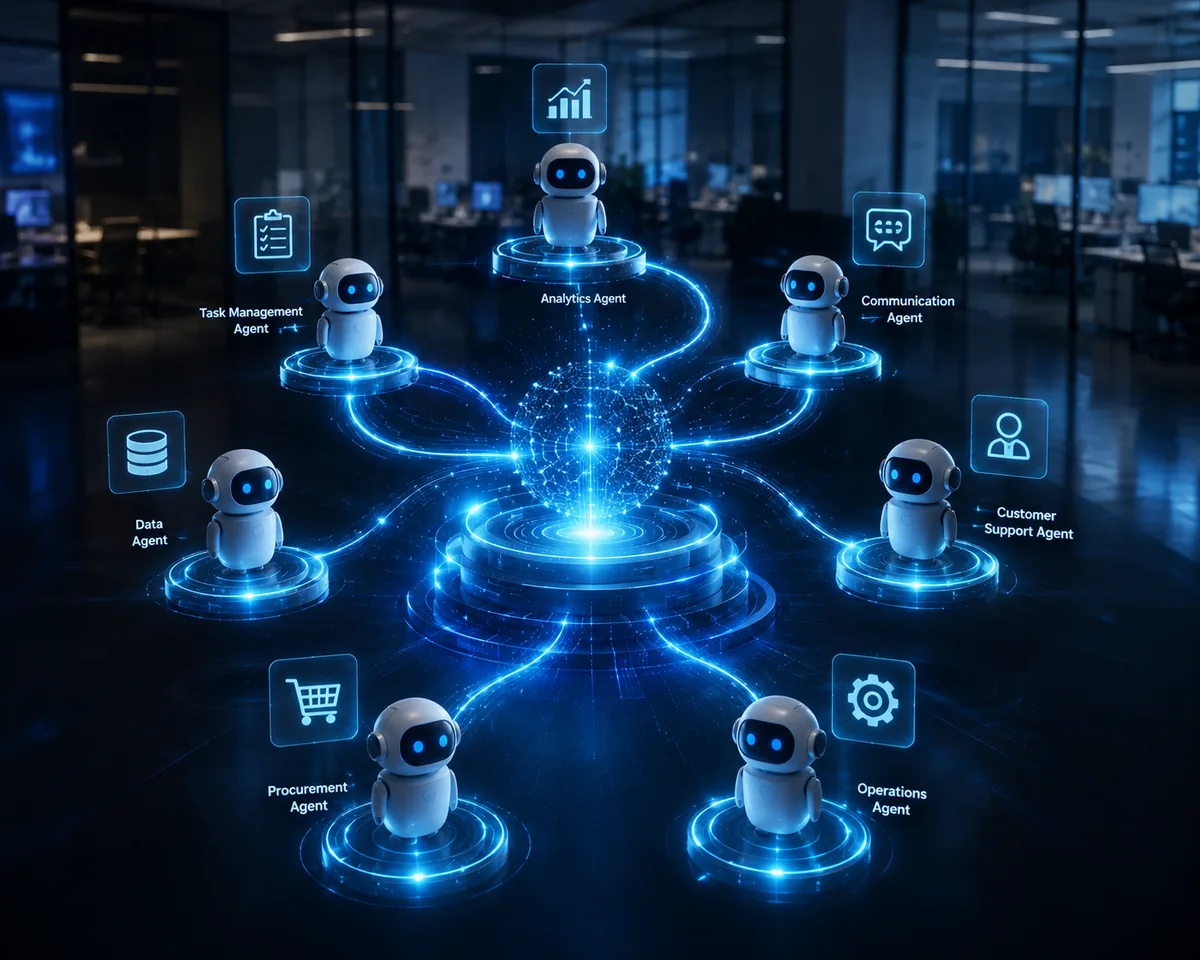
With a single AI agent you can automate one task. A multi-agent AI system connects several specialized AI agents that work together to complete larger business processes.
Each agent has a specific responsibility, but they communicate, share information, and coordinate actions automatically to keep work moving across your organization.
Specialised Agents Working Together
Each agent focuses on one role while coordinating with others to complete end-to-end workflows.
Cross-Department Coordination
Workflows move automatically across teams and systems without manual handoffs or delays.
Real-Time Visibility and Monitoring
Track every stage of a workflow in real time and identify where processes need attention.
Key Capabilities
What Multi-Agent Systems Can Do
-
Specialized AI agents working together across your business
-
Cross-department workflow coordination
-
End-to-end business process automation
-
Real-time workflow visibility and monitoring
The Challenge
Why Do Complex Workflows Become Difficult To Manage?
Sales passes work to Operations. Operations coordinates with Finance. Finance works with Customer Support. Information moves between people, systems, approvals, and business applications. Without proper coordination, delays begin to build.
Disconnected Teams
Information gets passed between departments manually.
System Silos
Business information lives across multiple platforms that don't communicate effectively.
Workflow Bottlenecks
Tasks wait for approvals, updates, or the next team to take action.
Limited Visibility
It becomes difficult to see where work is delayed and what needs attention.
As operations become more connected, these challenges slow productivity, reduce efficiency, and make scaling more difficult.
Explore What's Possible With Multi-Agent AI
Every organization has different workflows, systems, and operational challenges. Let's explore how coordinated AI agents can streamline your business from end to end.
What We Build
Where Multi-Agent Systems Create The Biggest Impact
Six use cases where coordinated AI agents replace manual handoffs and connect entire business workflows from start to finish.
The Workflow
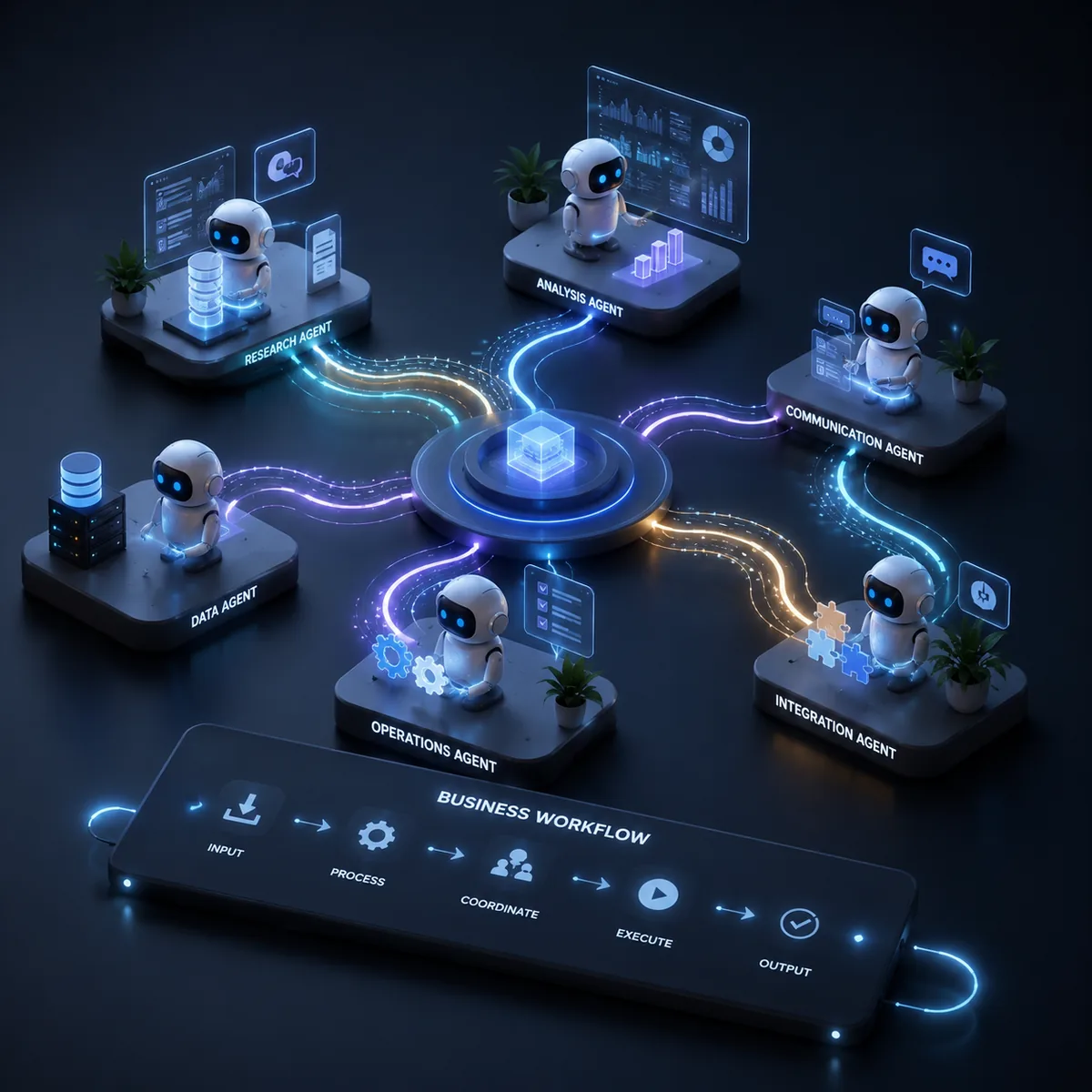
How Multi-Agent Systems Work
Specialised agents collaborate, share information, and hand off tasks automatically across your business.
Request Received
A customer enquiry, order, document, or business request enters your workflow. The right AI agent receives it automatically.
Task Assigned
The first AI agent completes its responsibility and passes the required information to the next agent.
Agents Collaborate
Each specialised agent performs its role while sharing updates and coordinating with the others.
Workflow Progresses
Tasks, approvals, notifications, and system updates happen automatically without manual handoffs.
Process Completed
Once every step is complete, records are updated, stakeholders are notified, and the workflow closes automatically.
01
Request Received
A customer enquiry, order, document, or business request enters your workflow. The right AI agent receives it automatically.
02
Task Assigned
The first AI agent completes its responsibility and passes the required information to the next agent.
03
Agents Collaborate
Each specialised agent performs its role while sharing updates and coordinating with the others.
04
Workflow Progresses
Tasks, approvals, notifications, and system updates happen automatically without manual handoffs.
05
Process Completed
Once every step is complete, records are updated, stakeholders are notified, and the workflow closes automatically.
Connected AI agents work together to move complex workflows forward, removing the need for manual coordination between departments.
How We Work
Our Approach To Multi-Agent AI Systems
Five phases that take your multi-agent system from mapped workflows to live orchestration.
Phase 01
Discover
Map workflows, departments, and operational dependencies to identify where coordinated AI can make the biggest impact.
Phase 02
Design
Define each AI agent's responsibilities, interactions, and handoff points across your business workflows.
Phase 03
Build
Develop specialised AI agents and the orchestration layer that connects them across your business systems.
Phase 04
Deploy
Integrate the multi-agent system with your business tools and operational processes, with full team onboarding.
Phase 05
Optimize
Continuously improve agent coordination, workflow performance, and efficiency based on real usage data.
Why Us
Why Businesses Choose TechYard Systems
Operations-First Approach
We improve how work moves across your organisation before introducing AI, so every agent solves a real operational problem.
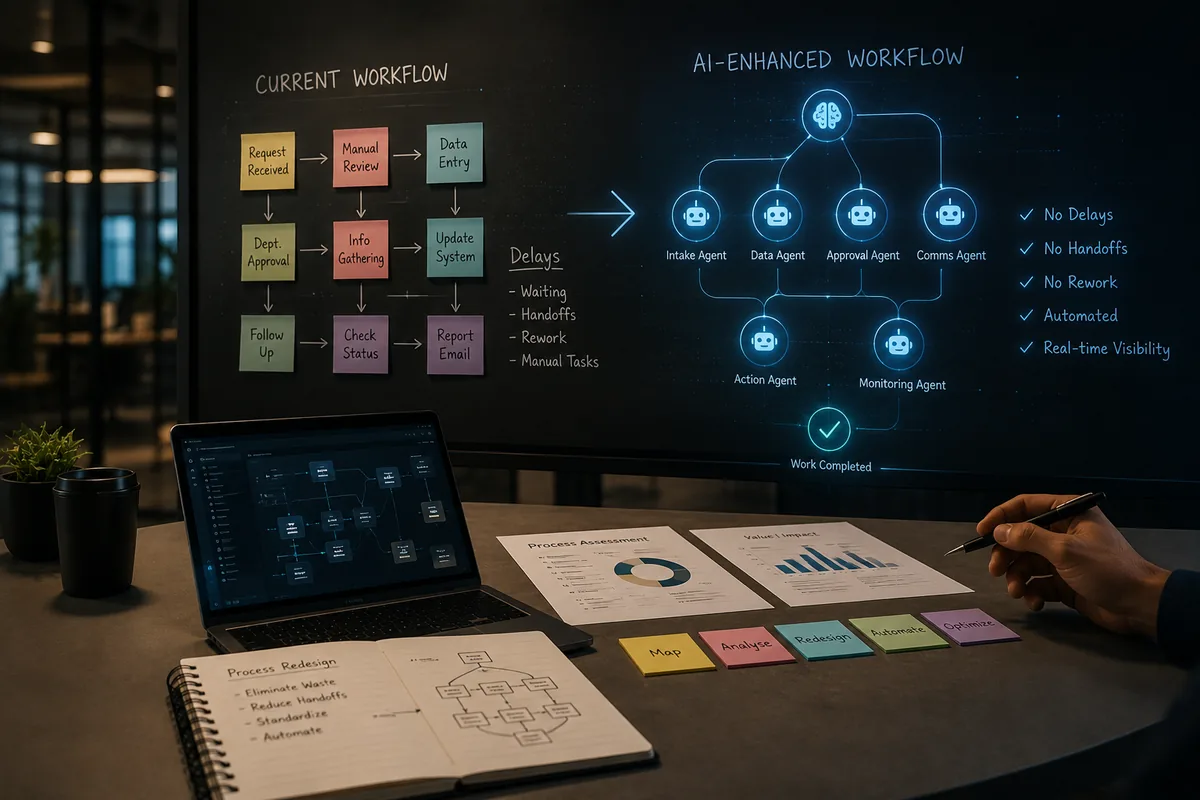
Built Around Your Business
Every multi-agent system is designed around your workflows, departments, and goals rather than a generic off-the-shelf template.
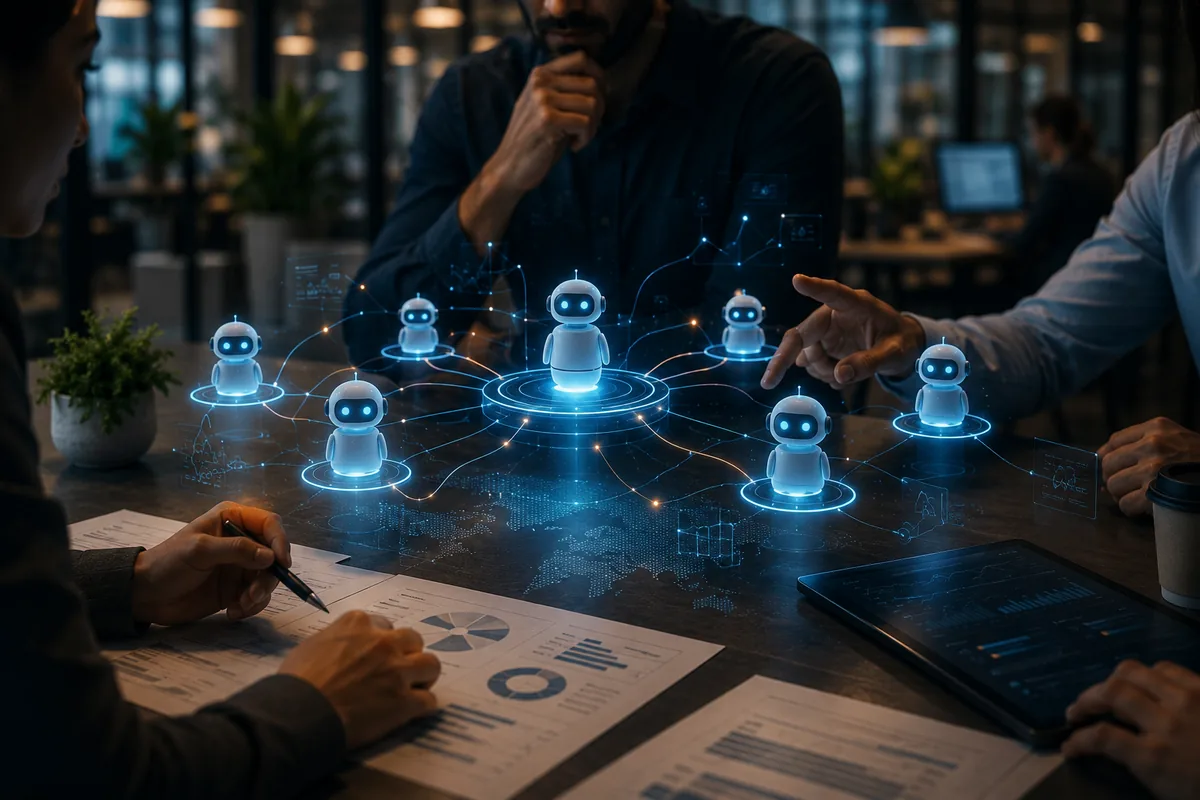
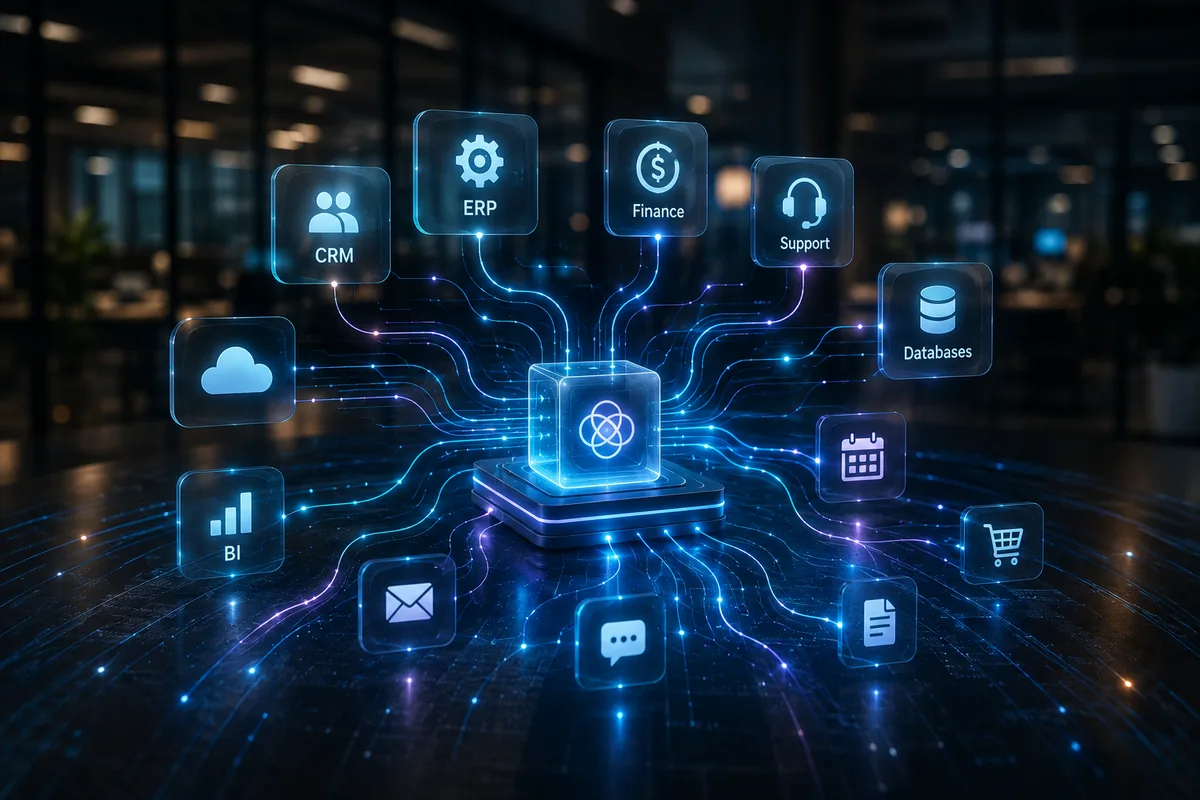
Seamless Integrations
Connect CRMs, ERPs, finance platforms, support tools, databases, and the business applications your team already uses.
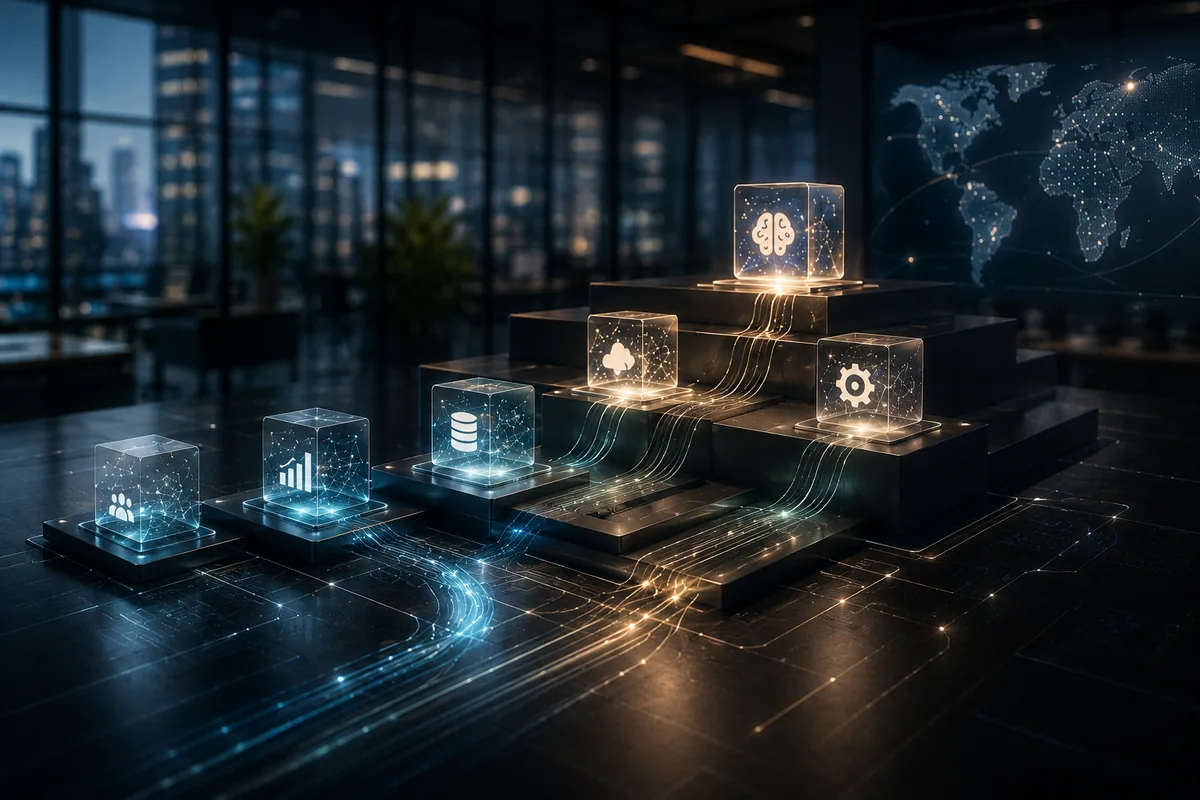
Enterprise-Ready Solutions
Build AI systems designed to scale alongside your business without adding operational complexity as volume grows.
Ready To Connect Your
Workflows With Multi-Agent AI?
If your teams spend too much time coordinating tasks, transferring information, and managing complex workflows, TechYard Systems can help you build a connected AI system that keeps work moving.
Frequently Asked
Questions
Common questions about multi-agent AI systems, how they work, integrations, and what to expect when working with TechYard Systems.
A multi-agent AI system uses multiple specialised AI agents that work together to complete complex workflows. Instead of handling one task, each agent has a specific role and collaborates with others to keep business processes moving.
A single AI agent focuses on one workflow or task. A multi-agent system coordinates several AI agents across departments and systems to automate larger, end-to-end business processes.
If your workflows involve multiple teams, approvals, or business systems, a multi-agent system can help reduce manual coordination, improve visibility, and keep work moving more efficiently.
Yes. We can integrate multi-agent systems with CRMs, ERPs, databases, finance platforms, customer support tools, and other business applications you already use.
The timeline depends on the complexity of your workflows and the number of integrations involved. Simpler solutions can be deployed within a few weeks, while enterprise-wide orchestration projects may require a phased implementation.